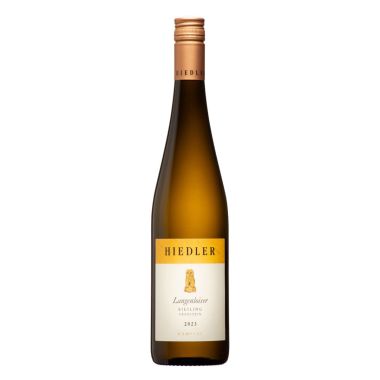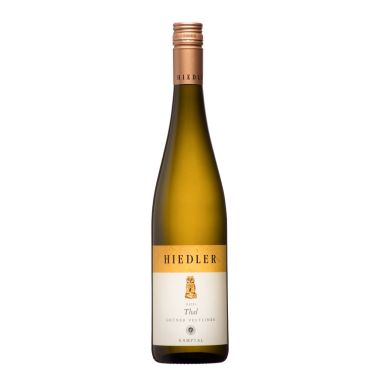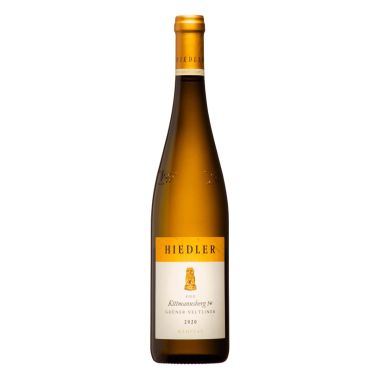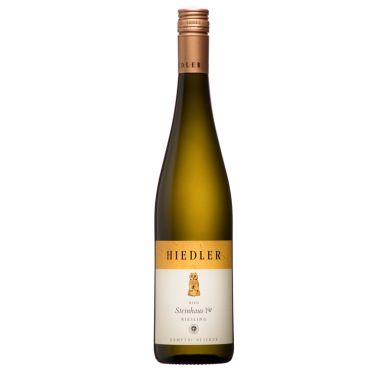


| Country of origin | Austria |
| Type | Family business |
| Since | 1856 |
| Surface area | 35 hectare |
| Production | |
| Oenologist | Ludwig Hiedler |
| Agriculture | Ecological (uncertified) |
Hiedler
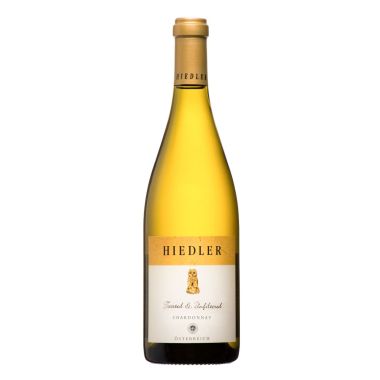
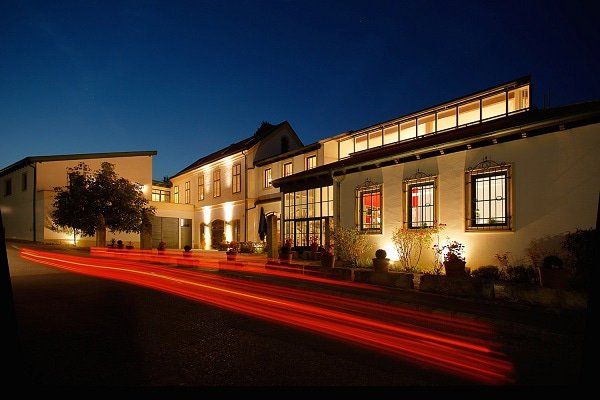
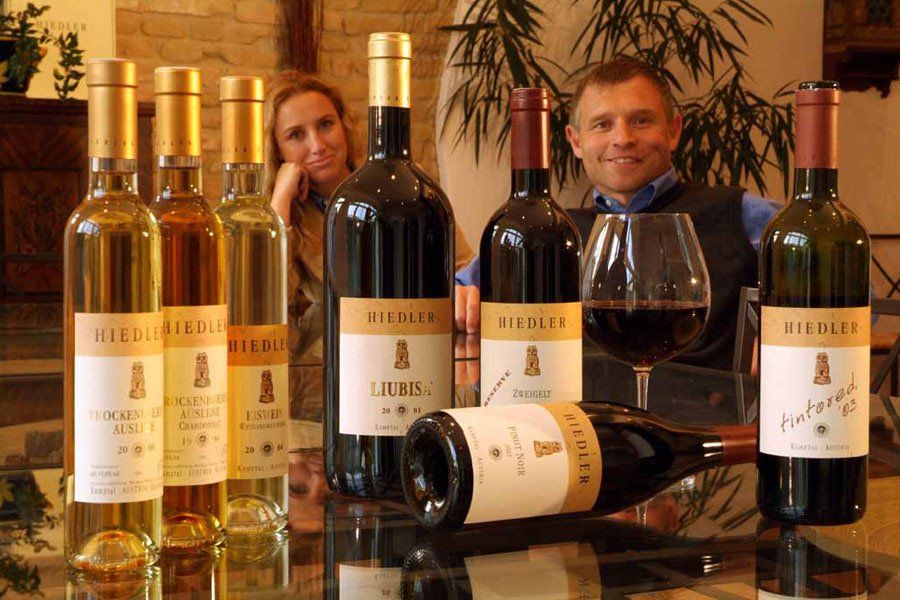
Ludwig Hiedler is a successful winegrower in Kamptal. Together with his Spanish wife Maria-Angeles, he runs the family business, which was founded in 1856 by his great-grandfather. Since Ludwig took over the winery in 1981, it has grown from eight to 35 hectares. Hiedler wines always have a special signature and unmistakable personalities.
Working method
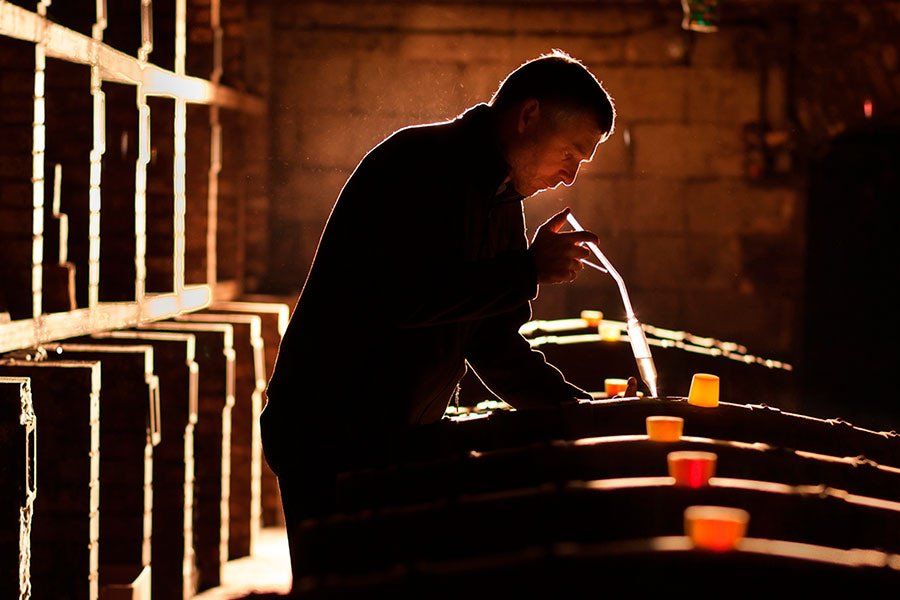
Hiedler’s goal is to make balanced wines. He produces his wines manually and traditionally down to the smallest detail, to give them even more character, tension and authenticity. Even with a nice acidity, his wines always have a creamy character with lots of roundness and body. Almost all wines have been spontaneously fermented since 2005. Spontaneous fermentation is slower and harmonises the acids naturally. Most wines (including Grüner Veltliners and Rieslings) also undergo a little malolactic fermentation, which gives them a little more roundness, without detracting from the primary aromas or freshness. He leaves the wines in contact with the fine yeast for a long time and does not bottle the wines too early.
Grape varieties
Ludwig Hiedler works as ecologically as possible (not certified). The Grüner Veltliner is the most important grape. More than 60% of the vineyards are planted with it. He also makes wonderful white wines from Riesling, Weissburgunder and Chardonnay. Just over 10% of the vineyards are planted with the blue grape varieties Zweigelt, Blauburgunder, Sankt Laurent and Sangiovese.
Soil types
Kamptal has a great diversity of soil types, which is reflected in the characters of the wines. Hiedler’s main vineyards are: in Langenlois: Thal (sand, loess, clay), Kittmansberg (loess), Panzaun (loess), Spiegel (loess with brown earth), Schenkenbichl I (pebble conglomorate with some clay), Schenkenbichl II (weathered gneiss, amphibolite and loess), Loiserberg (paragneiss and gneiss), Steinhaus (gneiss with amphibolite), Hofstatt (sand and clay), Hasel (clay), Dechant (0.4 ha, loess and gneiss), in Zöbing: Heiligenstein (weathered sandstone), Kogelberg (Buntsandstein), in Strass: Gaisberg (weathered sandstone).
Great wines
For Ludwig, the terroir is very important. For him, this includes not only all the natural influences of soil and microclimate, but also all human actions that influence the vineyards, the vines and the final wine. In his view, no great wine can be made without the cooperation of these factors. Hiedler wines are known for their excellent maturation potential. They are excellent to drink even when young, but show their true class after a few years of maturation. Hiedler therefore regularly wins important international prizes for its wines.